





Carbon negative building
The Home Quality Mark One, Technical Manual SD239, England, Scotland & Wales, published by BRE in 2018 defines carbon negative as:
|
A building or site that generates, surplus to its own energy demand, an excess of renewable or carbon neutral energy and exports that surplus via the national grid to meet other, off-site energy demand, i.e. the building is a net exporter of zero carbon energy. Surplus in this respect means the building or site generates more energy via renewable or carbon neutral sources than it needs to meet its own regulated and unregulated energy needs. This definition of carbon negative focuses only on energy and carbon dioxide emissions resulting from the operational stage of the building life cycle, as this is the stated aim of this assessment issue. It does not take into account the embodied carbon, in terms of carbon fixing, or emissions resulting from the manufacture or disposal of building materials and components. |
These impacts and benefits are dealt with by the Home Quality Mark in Section 6.2 Environmental Impact of Materials.
BREEAM UK New Construction, Non-domestic Buildings (United Kingdom), Technical Manual, SD5078: BREEAM UK New Construction 2018 3.0, published by BRE Global Limited, suggests that a carbon negative building is:
| …one that generates a surplus to its own energy demand (i.e. an excess of renewable or carbon neutral energy) and exports that surplus via the national grid to meet other, off-site energy demands. In other words it is a net exporter of zero carbon energy. Surplus in this respect means the building or site generates more energy via renewable or carbon neutral sources than it needs to meet its own regulated and unregulated energy needs. Any surplus must be exported through the national grid. This definition of carbon negative focuses only on energy and carbon dioxide emissions resulting from the operational stage of the building life cycle (as this is the stated aim of this assessment issue). It does not take into account the embodied carbon, in terms of carbon fixing or emissions resulting from the manufacture or disposal of building materials and components. |
[edit] Related articles on Designing Buildings Wiki
- BRE articles.
- BREEAM.
- Building Research Establishment.
- Carbon neutral contract.
- Carbon ratings for buildings.
- CIC launches a carbon zero climate action plan for professional institutions.
- Climate Change Act.
- Carbon footprint.
- Carbon neutral.
- Half of public sector bodies not planning for net zero carbon.
- Home quality mark.
- Low or zero carbon technologies.
- Nearly zero-energy building.
- Net zero by 2050.
- Net zero carbon 2050.
- Net zero carbon building.
- Transform to Net Zero.
- What we need for the journey to net-zero carbon emissions.
- Wood and carbon.
- Zero Bills Home.
- Zero carbon homes.
- Zero carbon non domestic buildings.
Featured articles
Check out some of the best features and news from Designing Buildings as well as key stories from around the web.

Your guide to The Construction Reset at UKCW Birmingham.

Accommodating the Victorian and Edwardian working woman. Book review.
Rethinking passive fire protection in design

PFP demands the same level of design rigour as structure or services.

38% of Gen Zs feel safe when a fire door is wedged open.
Stunning images from around the world
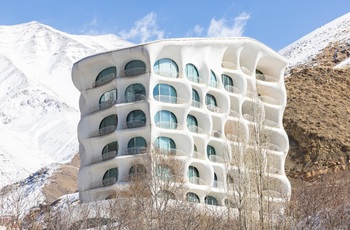
Shortlist for CIOB’s Art of Building photography competition.

Guidance for conversion of traditional pre-1919 stone buildings.
Industrial heritage in the Ruhr

A marked difference to the fate of industrial landscapes in the UK.
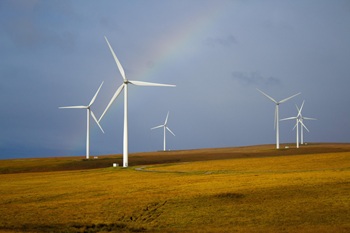
Communities will be able to build their own clean energy.
Why diversity and inclusion matters for SMEs

CIOB’s D&I Charter shows how practical changes can support long-term growth.
Cut electricity bills to power growth

Coalition sends joint letter to the Chancellor.

Gasholders: a history in pictures. Book review.
Recognition, influence and growth

SocEnv identifies three strategic pillars in new strategy to 2045.